
NEWS.AOT-AI.IO - The European Central Bank (ECB) is facing mounting internal pressure regarding the appropriate timing for its next monetary policy adjustment. This discussion is intensified by recent spikes in energy market volatility stemming from international conflicts.
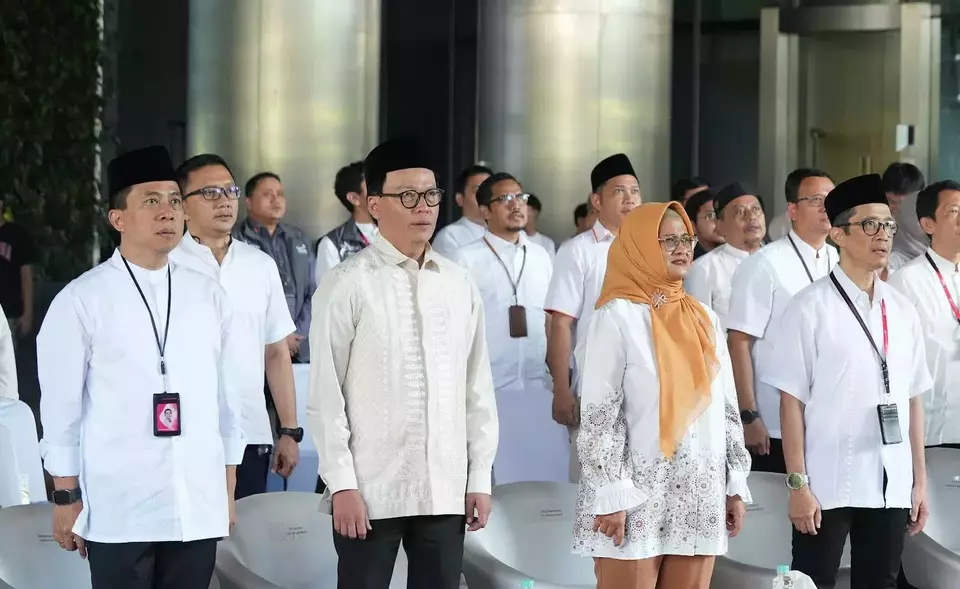
Who is driving this sentiment? Outgoing Governing Council member Madis Muller has publicly voiced his support for aggressive action next month. Muller's perspective carries weight as he prepares to conclude his tenure on the central bank's top decision-making body.
What is the proposed action? The specific measure under consideration is a significant increase in key interest rates. This move would aim to preemptively manage inflationary pressures building across the Eurozone economy.
When is this potential rate hike anticipated? According to Muller, the window for this action is swiftly approaching, specifically pointing toward the Governing Council's meeting scheduled for June. This timeline suggests a proactive rather than reactive stance from the central bank.
Why is this timing significant now? The primary catalyst cited for this accelerated outlook is the recent surge in global energy prices. These increases are directly linked to heightened geopolitical instability in key oil-producing regions.
How does the current situation impact the outlook? Muller believes the reaction of energy markets to the ongoing conflict in Iran creates a substantial inflationary risk that warrants immediate policy intervention. This underscores the sensitivity of the Eurozone to external shocks.
"There’s a solid argument for the European Central Bank to lift interest rates next month in response to the Iran war," stated Madis Muller. This direct acknowledgment links the rate hike proposal explicitly to the current Middle East tensions.
As reported by Muller, the strength of the argument depends on how persistent these energy price surges prove to be over the coming weeks. The ECB must weigh the risks of tightening too early against the danger of entrenched inflation.
According to the outgoing member, the Governing Council must carefully assess incoming economic data to confirm whether current energy price movements translate into broader, sustained core inflation across the bloc. This data assessment will ultimately determine the June decision.