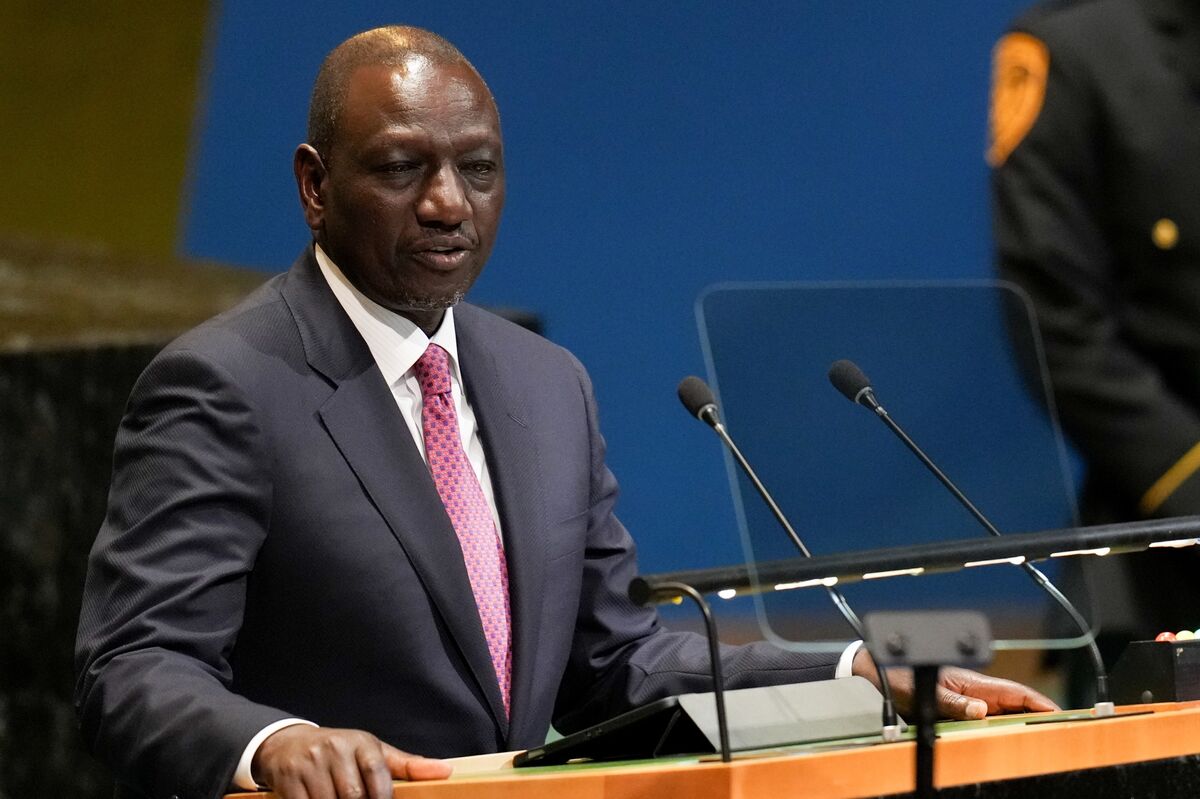
NEWS.AOT-AI.IO - Kenyan President William Ruto has firmly stated that his administration will not implement any additional reductions to existing fuel taxes, despite recent widespread civil unrest. This decision comes in the immediate aftermath of intense demonstrations linked directly to the elevated cost of diesel fuel across the nation.
The capital city, Nairobi, experienced significant disruption earlier this week as citizens took to the streets to voice their frustration over living expenses. These protests, which turned deadly in certain areas, effectively brought normal commercial and traffic operations in the city to a near standstill.
The central issue driving the public outcry remains the high price of diesel, a critical commodity affecting transportation, agriculture, and general business costs nationwide. President Ruto’s administration has been under immense pressure to provide financial relief to the struggling populace.
According to initial reports, the government had previously considered measures, but the President has now drawn a definitive line on further fiscal concessions related to fuel levies. This stance signals the administration's commitment to its current budgetary framework despite domestic turbulence.
The ruling establishes the current tax structure for diesel as the final position for the near future, regardless of the recent public backlash witnessed in the capital. This firmness suggests a divergence between the government's fiscal priorities and immediate public demand.
As reported by sources close to the Presidency, William Ruto communicated his decision clearly, indicating the limits of economic maneuvering available for immediate fuel price adjustments. This ruling solidifies the administration's current economic roadmap moving forward.
The President's official statement emphasized that "further cuts to fuel taxes are off the table," signaling the definitive end of negotiations on this specific fiscal measure, as conveyed by William Ruto.
This firm stance from the highest office in Kenya is expected to set the tone for any future political discourse surrounding the cost of living crisis gripping the East African nation. The government appears set on maintaining its current revenue strategy.