NEWS.AOT-AI.IO - Mexico’s national economy registered a contraction during the first quarter of the year, according to recently released official figures. This decline, while present, proved to be less severe than what many market analysts and economists had initially projected.
The primary data point indicates that the rate of economic shrinkage was shallower than the consensus forecast. This slight outperformance offers a marginal reprieve amid broader global economic uncertainties affecting Latin American markets.
However, the underlying activity within several crucial sectors revealed significant underlying softness. Activity was notably dragged down by persistent weakness observed across multiple areas of the domestic economy.
Specifically, the agricultural sector demonstrated considerable struggle during this three-month period ending in March. This key primary industry contributed negatively to the overall quarterly economic calculation.
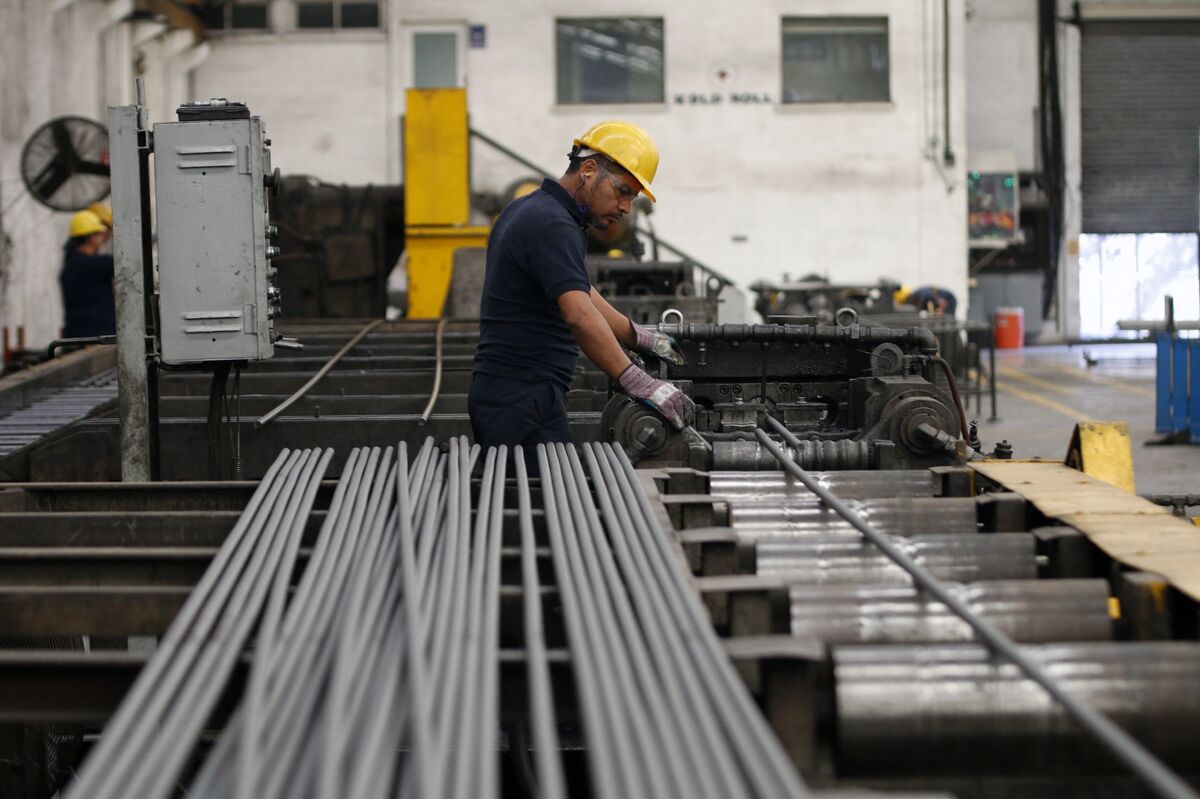
Furthermore, the extensive manufacturing base also faced headwinds that curtailed production and output levels. This sector, often a major driver of Mexican exports, reported subdued performance when compared to previous periods.
The services industry, which typically forms the largest component of the nation's GDP, also experienced a dampening effect. This widespread deceleration across agriculture, manufacturing, and services collectively constrained growth potential.
As reported by the relevant Mexican statistical authority, the figures suggest a degree of resilience, albeit marginal, against stronger contractionary forces. The exact quantum of the contraction was better than the expected decline.
This specific economic performance data captures the situation when the first quarter concluded, providing an essential snapshot for policymakers. The how of this limited contraction is rooted in the uneven performance across these different economic components.
The what of this update is the revised GDP outcome, while the where focuses squarely on the Mexican national economy. Understanding the why involves dissecting the specific sectoral pressures mentioned in the initial reports.