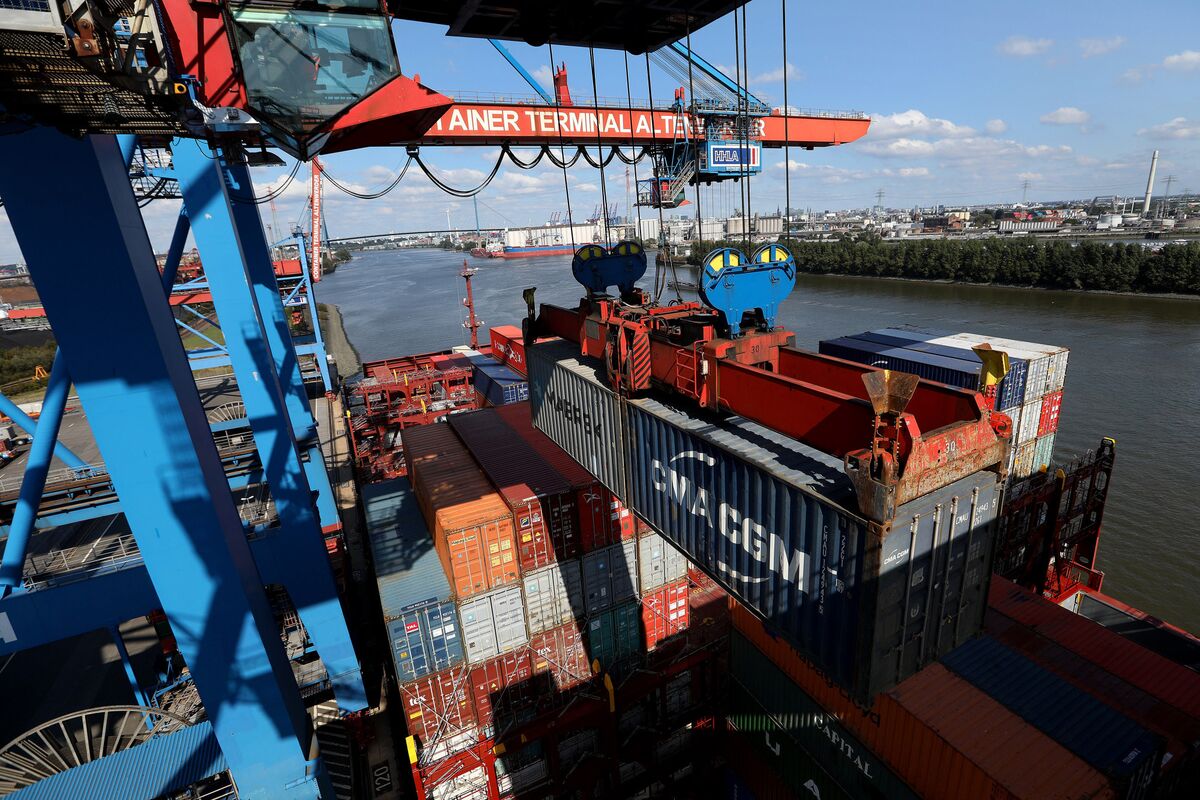
NEWS.AOT-AI.IO - The German economy demonstrated notable vigor at the commencement of the year, posting a substantial growth spurt during the first quarter. This positive momentum was largely underpinned by a resurgence in international trade activity.
What fueled this expansion was a dual engine: the country’s traditionally strong export sector and a measurable increase in government outlays. These factors combined to provide a significant, though perhaps temporary, boost to the Gross Domestic Product figures.
When did this acceleration occur? It was specifically observed during the January-to-March period, before the latest geopolitical turbulence began to exert a noticeable drag on economic forecasts.
Where did this strength originate? The primary source of the uptick was the export machine, indicating renewed international demand for German industrial goods and services. As reported by sources close to the economic monitoring bodies, this sector rebounded effectively.
Why was this growth significant? It marked a welcome departure from earlier stagnation concerns, suggesting underlying resilience within the core industrial base of Europe’s largest economy. This performance sets a benchmark for the rest of the year.
How was this achieved? The interplay between foreign demand picking up and domestic fiscal stimulus, specifically government spending, created a strong inflationary tailwind for the period under review. This combination provided the necessary impetus for the Q1 surge.
The positive economic data, however, arrived just prior to the escalation of tensions related to the situation in Iran, which analysts suggest could introduce new headwinds for trade routes and energy costs moving forward. This timing is crucial for understanding the outlook.
According to analysts monitoring the situation, "The combination of recovering export orders and proactive government expenditure created an undeniable short-term growth spike early in the year." This highlights the specific drivers behind the reported figures.
The narrative suggests that while the underlying machinery is capable of producing strong results, external geopolitical shocks, such as the recent Iran conflict, pose immediate threats to sustaining this early-year momentum. Policy adjustments may be necessary as the year progresses.