NEWS.AOT-AI.IO - The Indonesian government is actively developing a new institutional framework designed to supervise the nation's crucial commodity export sector. This initiative comes after a recent announcement regarding the body's creation caused significant initial uncertainty among international traders and domestic producers this week.
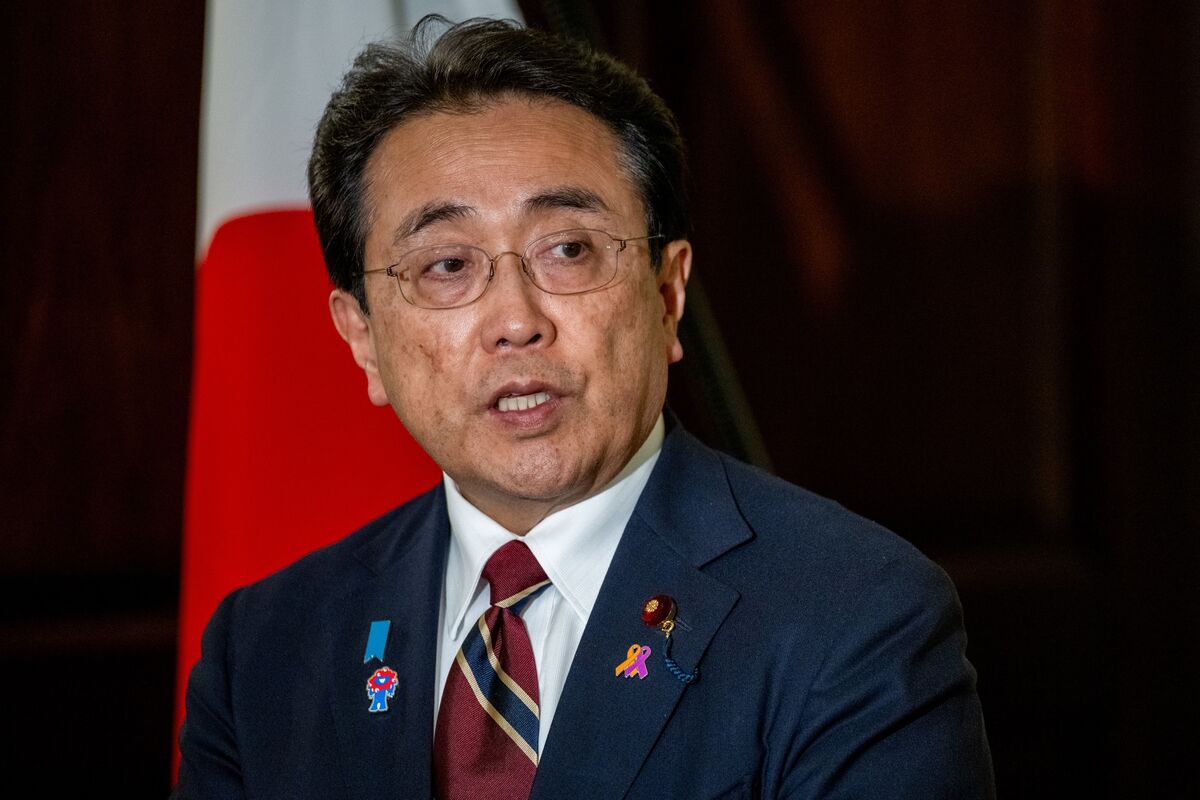
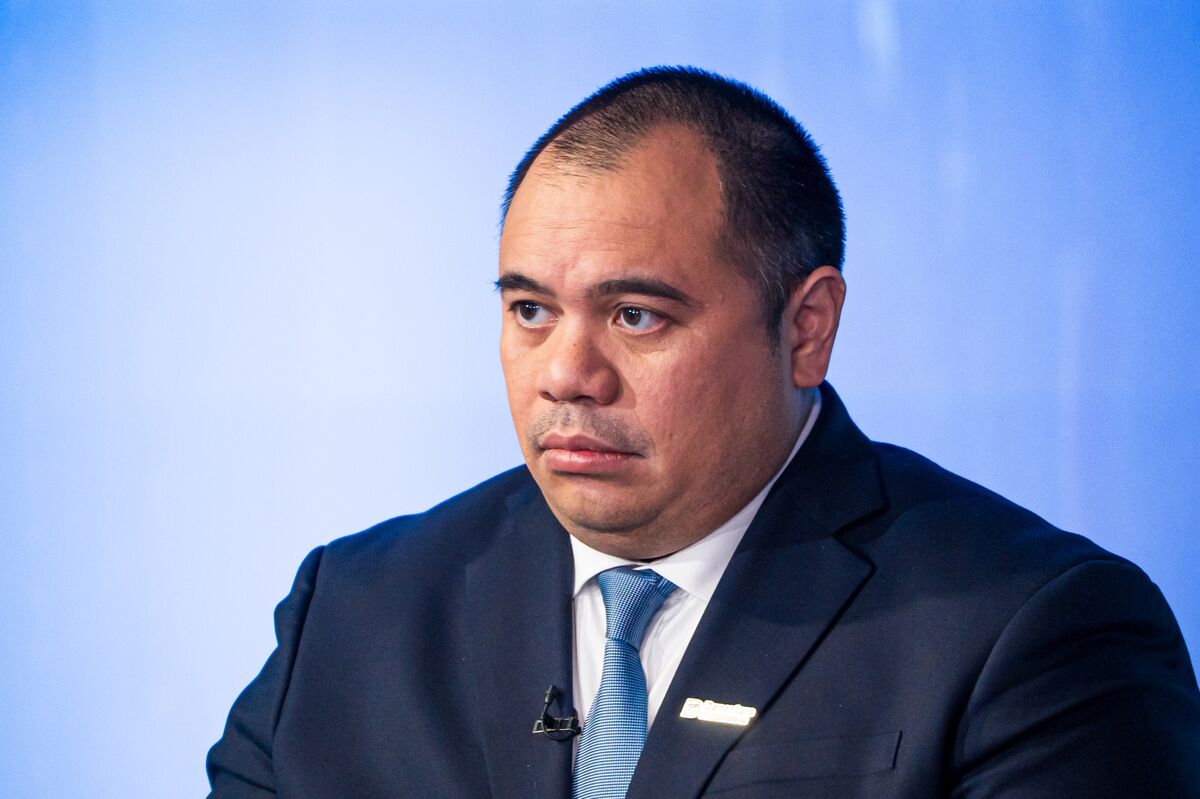
The central focus now appears to be on ensuring that the structure aligns with real-world commercial demands. Pandu Sjahrir, the Chief Investment Officer of the state-owned sovereign wealth fund, Danatara, has indicated the government's responsive approach to the current trading environment.
"Indonesia is listening very closely to the market" as it builds this new body to oversee key commodity exports, according to Pandu Sjahrir. This statement highlights the administration's commitment to incorporating feedback during the development phase.
Crypto Contraction Deepens: Three More Firms Announce Shutdowns Amid Prolonged Market Downturn
What exactly is being established is a centralized body intended to streamline and manage the flow of essential Indonesian commodities leaving the country. The exact mandate and operational scope of this new entity are still being refined following the initial market turbulence.
Who is signaling this commitment to market responsiveness is Pandu Sjahrir, a key figure within Danatara, the nation's sovereign wealth management arm. His position places him at the intersection of state finance and major investment strategy within Indonesia.
When did this situation arise? The confusion among market participants followed a "shock announcement" made earlier this week regarding the impending establishment of this supervisory mechanism. This timing has necessitated immediate reassurances from officials.
Why is this oversight body being created? While the exact long-term goals are multifaceted, the move generally suggests a desire by the Indonesian government to enhance control, regulation, or value capture from its significant natural resource exports.
How is the government responding to the initial confusion? The primary method being employed is direct engagement and acknowledgment of market concerns, as reflected by Sjahrir's assurance that feedback is being actively solicited and integrated into the planning process.
The development phase is critical, as clarity on procedures will be essential for maintaining stable trade relationships. Officials are reportedly working to provide clearer guidelines to stabilize sentiment rapidly following the initial market volatility.