NEWS.AOT-AI.IO - Indonesia is charting an ambitious course to fundamentally alter its position within global commodity markets, aiming to directly compete with established international trading houses. This strategic pivot seeks to capture greater value currently being extracted by external intermediaries.
For many years, the nation’s vital raw materials—sourced from remote mines and sprawling plantations—have been transported to global consumers via complex logistical chains. These operations were managed almost entirely by foreign entities controlling the flow of goods.
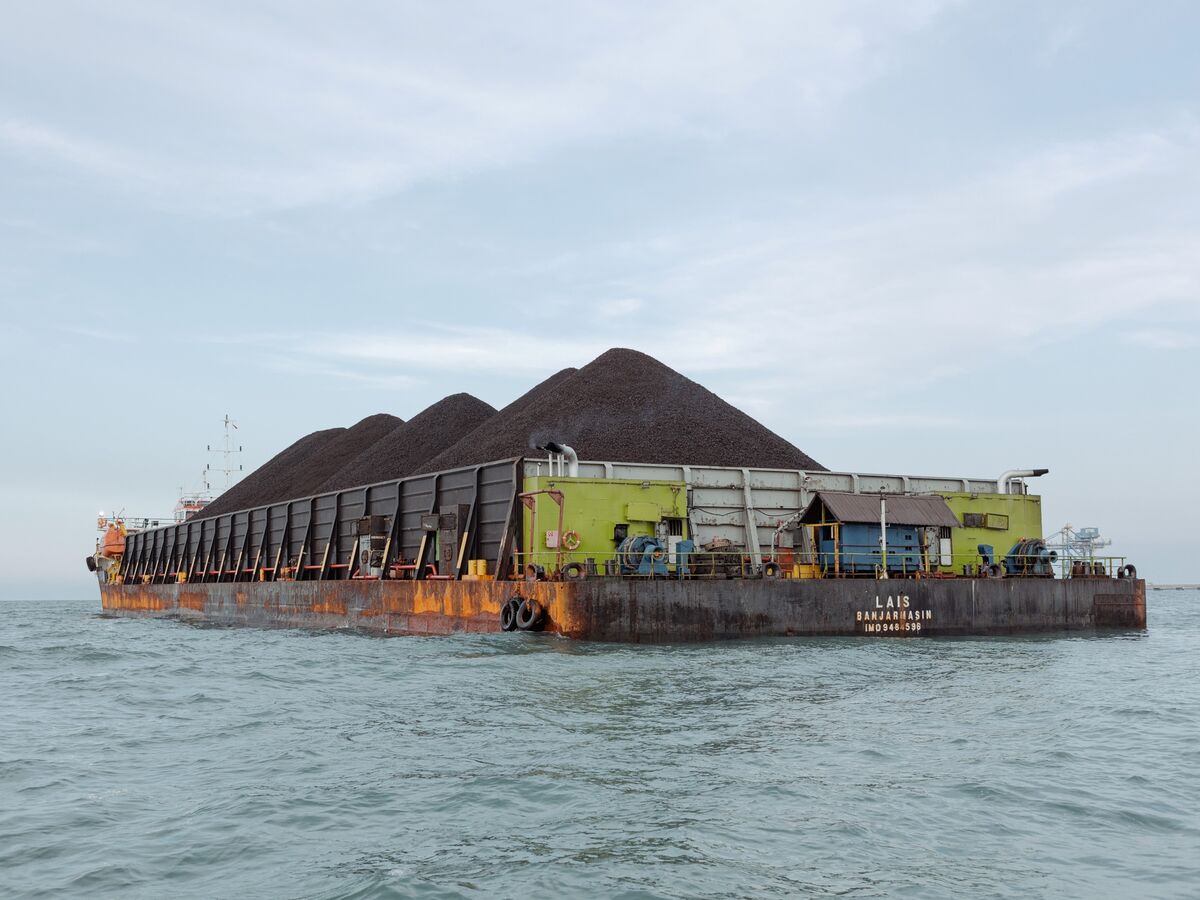
These external trading armies traditionally managed every facet of the transaction, encompassing everything from price negotiations and securing necessary financing to overseeing the physical movement of goods using specialized equipment like river barges and cranes.
As reported by unnamed sources familiar with the government's economic strategy, this long-standing dependency is now viewed as a significant bottleneck to maximizing national revenue from natural resources. The objective is to internalize these functions.
The core of this transformation involves significant investment in infrastructure and the development of domestic trading capabilities across the archipelago. This aims to create a self-sufficient ecosystem for resource export.
This shift is driven by the desire to move beyond merely extracting raw materials and instead control the entire value chain, from the point of origin to the final international sale. This integration promises enhanced oversight and profitability for Indonesia.
The government intends for Indonesian firms to gradually assume roles previously dominated by international giants, thereby building expertise in global logistics, trade finance, and risk management. This is a deliberate effort to enhance economic sovereignty.
"Indonesia Plans to Beat Global Trading Giants at Their Own Game," as the internal strategy documents outline this aggressive competitive stance against established multinational traders. This underscores the seriousness of the national economic restructuring plan.
This comprehensive plan signals a long-term commitment to reposition Indonesia from a primary resource supplier to a sophisticated player capable of managing complex international trade flows independently. The shift is expected to take several years to fully materialize.